
What Are the Common Misconceptions About Dental Implants?
Tooth loss can change how you eat, speak, and smile. It’s normal to wonder what the process is like and whether it will look natural. If you’re considering options for replacement, dental implants in Plainfield offer a stable, lifelike way to restore function while protecting long‑term oral health.
Common Misconceptions About Dental Implants
Many myths come from outdated information. Today’s materials, planning tools, and care protocols make treatment more predictable than ever. Below are frequent concerns and what the evidence and clinical experience show.
Dental Implants Look Unnatural
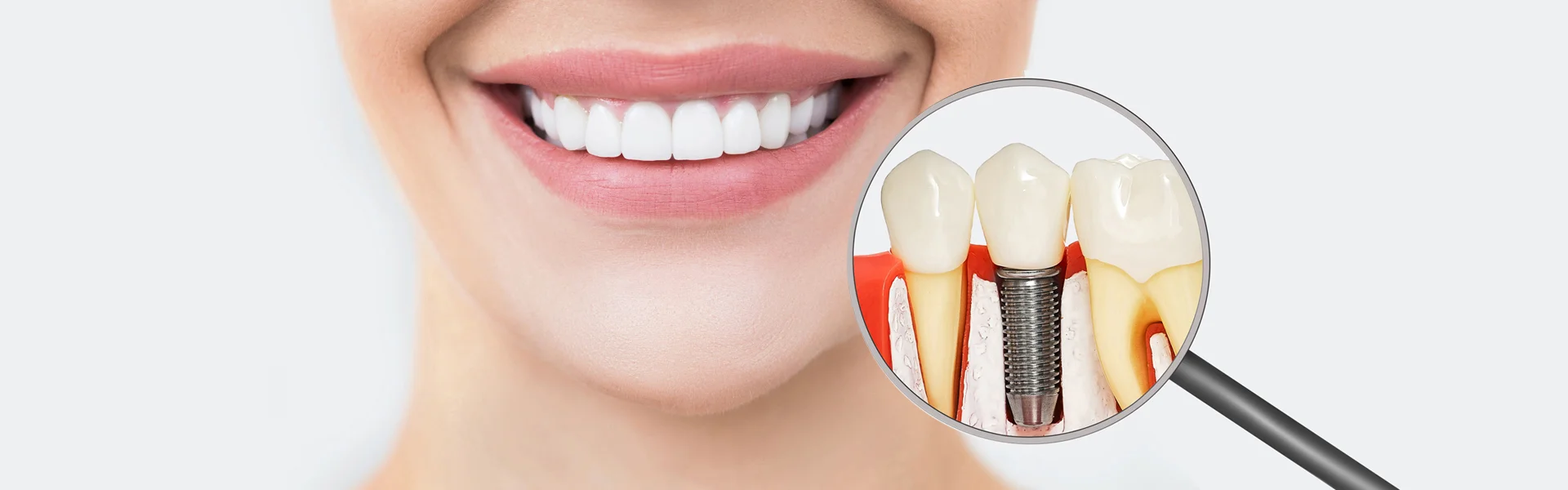
Custom crowns are shaded and shaped to blend with your smile. The gum contour is designed to frame the tooth, and the crown reflects light like enamel. Once healed, most people can’t tell which tooth is the replacement in photos or everyday conversations.
The Procedure Is Extremely Painful
Placement is done with local anesthesia, so you feel pressure and vibration but not sharp pain. Most patients manage day‑one soreness with over‑the‑counter medication as directed. Ice, soft foods, and good home care keep you comfortable while the area settles.
Recovery Takes a Very Long Time
Initial healing of the gum happens within days, and normal routines return quickly for most people. Bone integration takes longer, but that phase is usually symptom‑free. A Plainfield dentist will outline a timeline based on your case and confirm progress at check visits.
Implants Require Special Daily Care
Routine brushing and flossing remain the foundation. Clean around the crown like you would a natural tooth, and ask your team about interdental tools if spaces are tight. After a dental implant near you is restored, the goal is simple: keep the gums healthy and plaque under control.
Only Older Adults Need Dental Implants
Age is not the deciding factor—health, bone quality, and goals are. Adults of many ages choose this option after a failed root canal, a cracked tooth, or congenital spacing. What matters most is a stable foundation, clean habits, and realistic expectations for the result.
Implants Are Likely to Fail Easily
With proper planning and hygiene, success rates are high. Risk goes up with uncontrolled diabetes, smoking, or poor home care, but your provider can help manage those factors. Regular checkups allow early intervention if the gums around the implant show irritation.
The Process Is Too Complicated
Evaluation, placement, healing, and restoration follow a clear sequence. Digital scans map your bite, guides assist precise positioning, and the final crown is crafted to fit your smile line. A dentist in Plainfield can explain each step and give you a written plan before treatment begins.
Implants Can Damage Surrounding Teeth
Unlike a bridge, this option doesn’t require reshaping neighboring enamel. The post stands in the bone where the root once was, preserving natural structure on both sides. Balanced chewing reduces stress on adjacent teeth and helps protect them from chipping.
Anyone Can Get Dental Implants Without Evaluation
A full exam is essential. Your dentist reviews your medical history, takes images to measure bone, and screens for gum disease. An assessment by a dentist near you confirms whether grafting, sinus considerations, or other steps are needed for a safe, predictable outcome.
Dental Implants Are Noticeable When Talking or Eating
Once the area heals and the crown is adjusted, daily speech and chewing feel natural. Because the restoration is anchored in bone, it doesn’t slip during meals or conversations. Good fit and careful bite checks keep the result comfortable and stable.
Conclusion
Clear guidance, healthy habits, and steady follow‑up make treatment smooth for most patients. If you want a replacement that looks natural, restores bite strength, and helps maintain bone, this approach may be the right fit. For a personal plan and answers to your specific questions, schedule a visit with Plainfield Dental Care. You’ll get a step‑by‑step roadmap and support from start to finish.